
November 3, 2026
Classic Dubai Renovation Loved By Past Clients
Popular Questions On Interior Design in Dubai
For a first-timer, a fit-out in Dubai can spark plenty of real questions. Cost, timeline, and whether permits are required sit among the most common concerns. The questions most often put to us by owners and renters across the UAE are gathered here and given straightforward answers. The numbers here are 2026 market estimates and ranges rather than set prices, so take them as a guide for planning. We aim to explain how projects truly work in Dubai, from budgets and timelines through to permits and picking the right designer. By reading the questions most relevant to you, you should come away with a realistic understanding of what lies ahead.
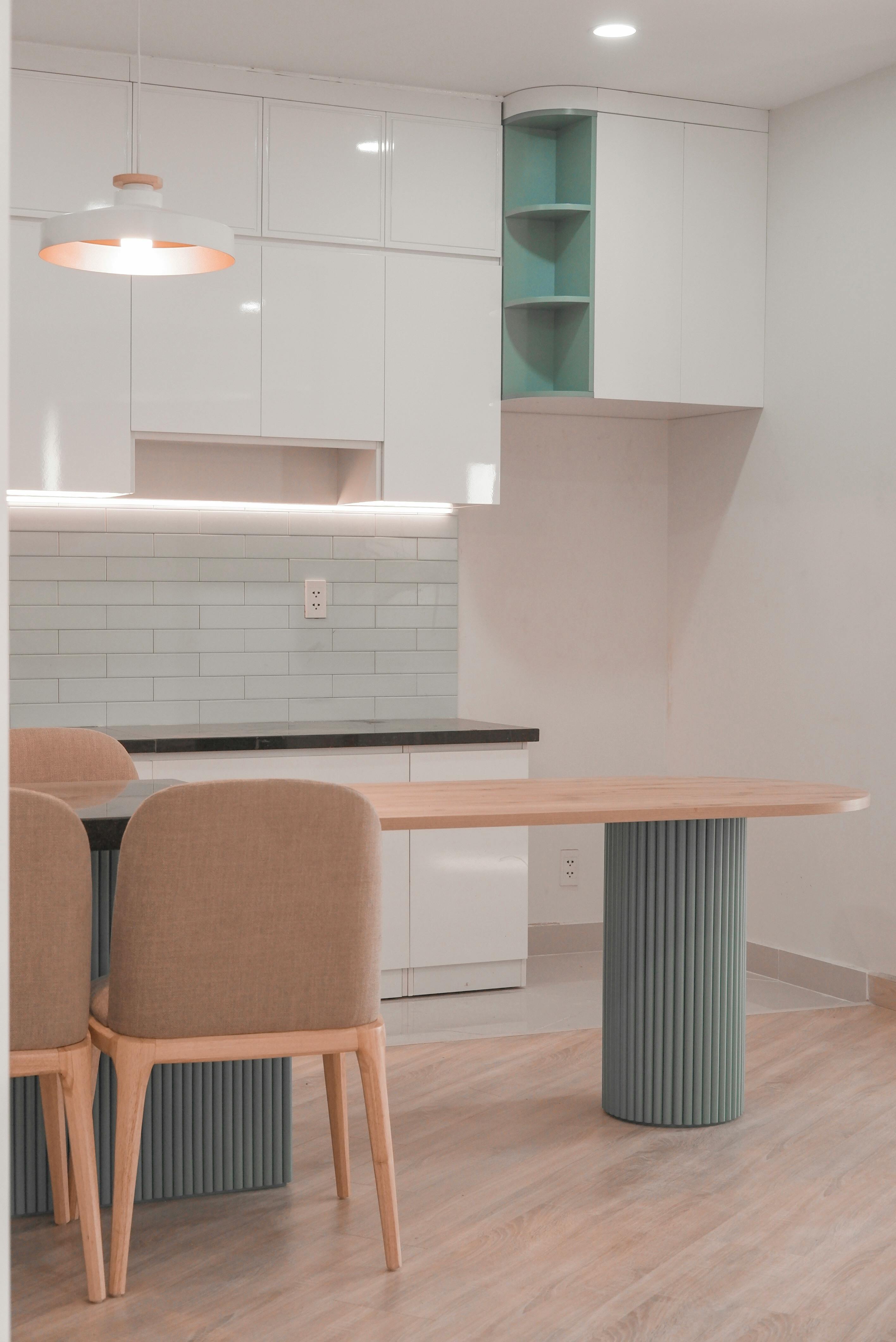
What is the cost of interior design in Dubai in 2026?
The total cost is shaped heavily by the size of your home, the scope of work, and the finish quality you select. Home interior and fit-out work is usually priced per square foot as a 2026 market estimate, sitting around AED 75 to AED 250 for standard schemes and AED 200 to AED 400 for mid-tier schemes. Once custom joinery and imported finishes come into play, luxury villas and penthouses can surpass AED 600 to AED 1,200 per square foot. In total-project terms, a budget apartment update might come in around AED 200,000 to AED 340,000, while high-end apartments can exceed AED 800,000. Design-only charges are usually set at around 10 to 20 percent of the total budget, or by the square foot. These common figures are summarised in the table underneath to guide your budgeting. Every figure here is, of course, an estimate and not a fixed quote.
| Type of project | Scope of work | Estimated total for 2026 (AED) |
|---|---|---|
| Flat | Entry-level refresh | 200,000 – 340,000 |
| Flat | Mid-tier fit-out | 400,000 – 750,000 |
| Villa | Mid-range renovation | 250,000 – 600,000 |
| House | Luxury turnkey | 600,000 – 2,000,000+ |
How long does an interior design project take?
Schedules shift with the scale and complexity of the home, but most projects run to a fairly predictable pattern. As a general 2026 guide, a Dubai apartment usually takes around 6 to 10 weeks from kick-off to handover. A villa generally requires 10 to 14 weeks, while big luxury homes with bespoke elements can stretch to office interior contractor between 20 and 36 weeks. Broken down, that covers a concept stage of 2 to 4 weeks, detailed design of 4 to 8 weeks, and site execution of around 4 to 8 weeks. Getting permits and the NOC can tack on 2 to 6 weeks, so never leave them to the last minute. Because most delays come down to slow decisions or shipping hold-ups on imported items, prompt choices keeps momentum. Adding a small buffer into your schedule is always wise.
Do I need approvals or permits to renovate?
Yes. In almost every case, you must secure approvals before the work starts. The first step is a No Objection Certificate from your building’s owner or managers. A fit-out permit then comes next, issued by the governing body, which for most of Dubai is Dubai Municipality. Since certain areas and free zones answer to the Dubai Development Authority or Trakhees instead, it is important to establish which body governs your address. Any work affecting fire and life-safety systems must meet the approval of Dubai Civil Defence, while utility changes involve DEWA. As a rough 2026 guide, standard approvals are usually processed within about 3 to 10 working days. Getting the paperwork going early heads off costly stop-work delays later.
What is the difference between design-only and design-and-build?
An interior project can be delivered in two main ways, and the right choice depends on how involved you wish to be. A design-only service supplies the concept, drawings, material selections, and specifications, after which you appoint a separate contractor to execute the build. A turnkey service, by contrast, handles both design and physical execution under one roof, so you have a single point of responsibility. Because one team controls both stages, turnkey delivery tends to be smoother and faster — something many busy clients prefer. Design-only can offer more flexibility and competitive tendering, but it asks more coordination from you. Many established Dubai studios offer turnkey delivery, overseeing the whole job from concept to snagging. Weigh up your time, how much coordination you are willing to handle, and how much control you want to keep.
Can I renovate a rented apartment?
Improving a rented home is possible, though the scope is narrower and permission is vital. You will nearly always need the landlord’s written consent for structural or permanent work, along with the building’s usual NOC. Non-permanent upgrades are where many tenants focus, since they improve a home without breaching the lease. Things like furniture, rugs, curtains, lighting, and freestanding storage — all removable — can make a dramatic difference to a rental. Peel-and-stick finishes and freestanding partitions bring flexibility without damaging the property. It is smart to settle in advance what must be returned to its original state when you eventually leave. Your tenancy contract and the landlord’s approvals should always guide any decision before you commit to fixed work.
Which interior design styles are popular in Dubai right now?
Ultra-modern through to richly classical, Dubai homes take in an unusually wide mix of tastes. Quiet luxury and warm minimalism form the strongest current in 2026, combining clean lines with natural, tactile materials. Contemporary minimalism continues to be a favourite in the city’s modern towers, prized for its calm and easy upkeep. Modern Arabic design remains popular in villas, blending regional heritage such as geometric patterns and warm tones with contemporary comfort. Across bigger villas, classic and neo-classical interiors still resonate, giving grandeur and symmetry room to breathe. Through every one of these styles, biophilic touches, smart-home technology, and sustainable materials are increasingly present. Many homeowners happily blend two styles to suit their own taste and space.
How do I pick the right interior design company?
This is a big call: choosing the right studio shapes the whole process. Line up a firm’s speciality with your project first: some focus on luxury villas, others are strong on apartments, offices, or hospitality. You will find everything in Dubai, from luxury residential names such as Luxury Antonovich Design, ALGEDRA Interior Design, and CK Architecture Interiors to major fit-out contractors like Depa and Bond Interiors. Design-led studios such as Roar and Bishop Design by Paul Bishop are recognised for hospitality and branded spaces, while Swiss Bureau Interior Design and Summertown Interiors focus on workplaces. Check portfolios for work like yours, then confirm the firm covers the scope you need — design-only or turnkey. Clear communication, a transparent process, and a written scope weigh as heavily as an attractive portfolio. Weigh up a shortlist properly before you commit.
Which interior design trends define 2026?
Several strong trends are defining Dubai interiors through 2026, and most reflect a wider shift towards comfort and responsibility. Quiet luxury and warm minimalism are out in front, favouring understated elegance and natural materials over obvious display. Sustainability looms large, backed by the UAE’s Net Zero 2050 goal and updated Dubai fit-out guidelines encouraging eco-friendly materials. Greenery, natural light, and wellness features come indoors through biophilic design, helping homes feel calmer. More and more, smart-home and smart-MEP integration is standard, handling lighting, climate, and security with ease. The way people now work and relax at home is reflected in flexible, multifunctional spaces. The common thread is homes that are calmer, greener, and more adaptable.
How do I stop my project going over budget?
Planning well and deciding early are the bulk of what keeps a project on budget. Begin with a realistic total figure and hold back around 10 to 15 percent as a contingency for surprises. Get the scope and specification agreed in writing before work starts, so everyone shares the same expectations. Mid-build changes are one of the biggest causes of overspending, so stick to the plan once execution begins. Long-lead and imported items should be ordered early to prevent delays that quietly add cost. Prioritise spending on the elements you use daily, such as kitchens, bathrooms, and lighting, and trim the less critical areas, keeping honest conversations about money with your designer throughout.
Should I hire a professional for a small apartment?
Even in a compact apartment, professional help pays off, though people often think designers are only for large villas. A good designer gets the most from limited space through clever layouts, built-in storage, and the right scale of furniture. A designer helps you dodge costly mistakes — furniture that will not fit or finishes that fail in Dubai’s climate. Superior finishes and sometimes better prices come with their supplier relationships — more than a first-time client would find alone. In the long run, even a few hours of consultation can sharpen your plan and save money. Whether it is worth it depends on your confidence, your time, and how much is at stake.